

Shipping reality shows work best when routine work becomes uncertain, and this episode appears built around that exact pressure. Based on available title and description cues, the story centers on competitive hauling, bidding tension, unexpected cargo, and truck life chaos.
No transcript was supplied, so specific scenes, people, prices, routes, quotes, and outcomes cannot be verified. That limit matters because reality style freight stories often depend on small details, including how bid numbers change, what cargo requires, and how haulers react under stress.
Even with missing transcript, metadata gives clear frame. Episode seems designed as Shipping Wars style entertainment, where carriers compete for jobs, weigh risk against reward, and discover that winning load may be only start of trouble.
Core hook is bidding war. In this format, suspense comes from watching haulers decide how low they can bid without destroying profit, reputation, or schedule.
That decision creates instant drama because every offer carries hidden danger. Bid too high and job disappears, but bid too low and fuel costs, labor, delays, damage risk, or surprise cargo needs can turn victory into loss.
Unexpected cargo appears to be second major engine of story. Phrase suggests shipment may be stranger, harder, heavier, more fragile, or more awkward than hauler first expected.
In trucking entertainment, freight surprise often changes tone fast. Confidence can turn into frustration when load does not fit, equipment proves wrong, paperwork gets messy, or customer expectations become tougher than bid allowed.
Truck life chaos adds broader workplace texture. Road delays, loading problems, tight deadlines, parking constraints, mechanical concerns, and communication breakdowns can all turn simple delivery into rolling test of patience.
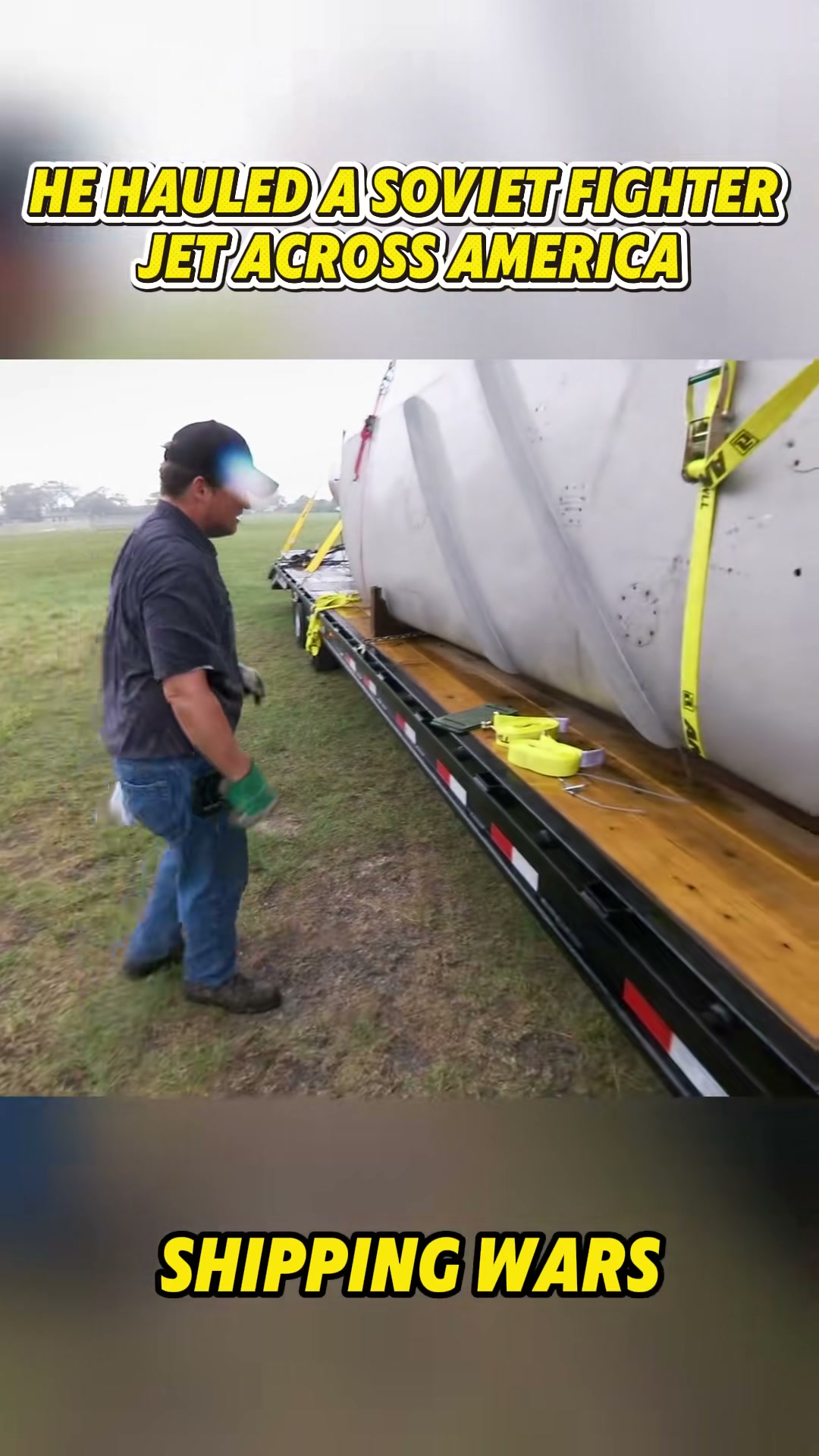
Episode likely leans on contrast between swagger and reality. Haulers may enter competitive bidding with confidence, then face practical obstacles that expose whether skill, planning, and temperament match bold promises.
Performance matters in this genre because viewers are not watching freight alone. They watch personalities handle pressure, defend choices, argue over value, improvise fixes, and try to look competent when circumstances become messy.
That makes reputation one of unstated stakes. In competitive hauling, every job can affect future work, online ratings, customer trust, and peer perception.
Money is another obvious stake, though no verified figures are available here. Without actual bid amounts, viewers should treat financial drama as general premise rather than confirmed loss or profit.
Time pressure likely shapes emotional arc. Freight stories gain momentum when deadline narrows and each delay feels larger than it might in normal workday context.
Cargo risk also drives suspense. If shipment is delicate, odd shaped, valuable, oversized, or poorly described, hauler must protect both item and business while still staying on schedule.
Audience appeal rests on mix of suspense and workplace comedy. Viewers get rivalry from auction style bidding, tension from unknown cargo, and humor from problem solving when plans collide with physical reality.
Balanced reading should avoid assuming too much. Title hashtags signal themes, but they do not confirm who competed, what was shipped, where route began, or whether conflict ended in success.
That uncertainty does not make premise weak. It means article must separate verified metadata from likely structure common to shipping reality entertainment.
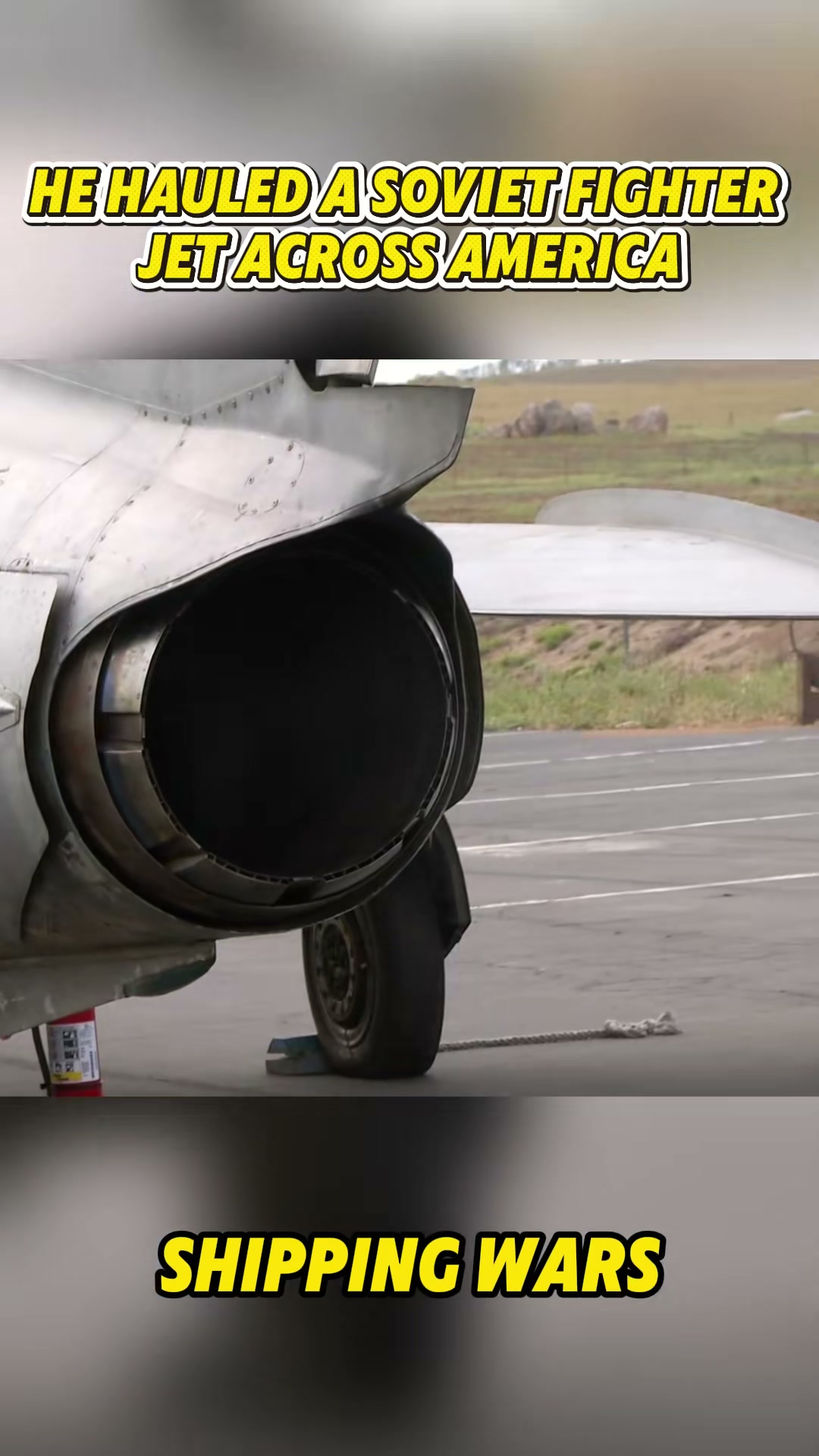
Most credible account is that episode sells chaos as spectacle. Competitive bids create first spark, unexpected freight creates second, and trucking complications carry story through stress toward possible payoff.
If transcript becomes available, strongest details to verify would be names, cargo description, bid amounts, pickup location, delivery route, deadline, obstacles, customer reaction, and final result. Those facts would decide whether story is mainly comic, tense, costly, or triumphant.
For now, description points to familiar but effective formula. Hauler wants job, bid creates risk, cargo complicates plan, road tests patience, and delivery outcome becomes measure of skill.
The title’s repeated emphasis on wars and chaos suggests conflict is not incidental. It is main selling point, inviting viewers to see freight hauling as contest where nerve and improvisation matter as much as equipment.
This kind of framing can exaggerate everyday logistics, but it also highlights real pressures in small scale transport. Independent haulers often face thin margins, uncertain information, physical labor, time limits, and customer expectations that change after deal is made.
Professional value of episode depends on how honestly it shows that balance. Best version would entertain without pretending every problem is disaster or every rival is villain.
Because source material lacks transcript, no direct quote should be invented. No specific argument, insult, breakdown, accident, cargo damage, or customer complaint should be claimed without video evidence.
Still, available cues support one clear takeaway. Episode appears crafted to turn bidding math and hauling logistics into character driven drama, with unexpected cargo forcing haulers to prove whether confidence can survive real road pressure.
Final impression is controlled uncertainty. Metadata promises competitive freight chaos, but full story remains incomplete until verified scenes reveal what was bid, what was hauled, what went wrong, and whether delivery delivered payoff.