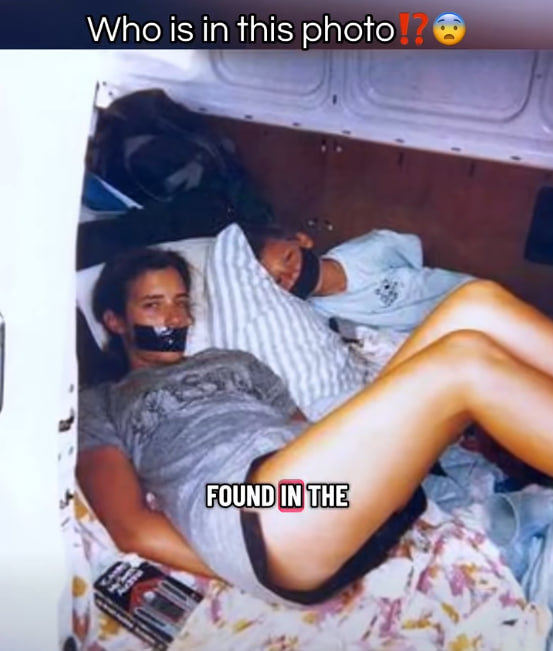

On a summer day in June 1989, a woman in Florida reportedly noticed an abandoned Polaroid in a convenience store parking lot after it was spotted by a passerby. The image inside seemed to show a teenage girl and a younger boy lying in the back of a van with tape across their mouths, creating immediate alarm.
From the start, the photograph looked less like a family snapshot than a clue from an unfolding emergency. Investigators and the public quickly focused on the possibility that the picture might document an abduction or the captivity of two children whose disappearances had already drawn national attention.
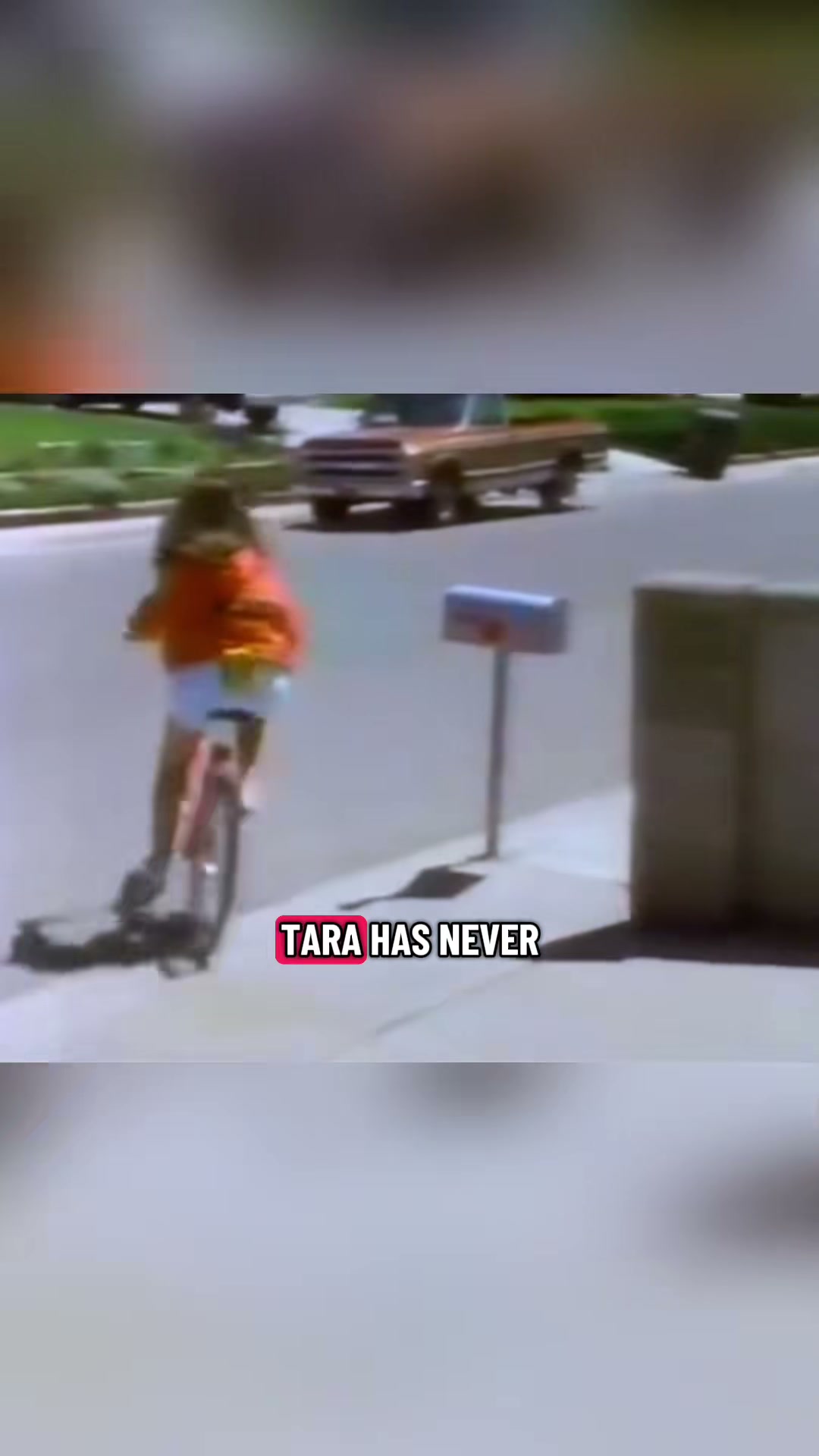
The strongest early association involved Tara Calico, the New Mexico teenager who vanished in September 1988 while riding her bicycle near home. Many people who saw the Polaroid thought the girl resembled her, and the timing made that resemblance feel more than coincidental to relatives, observers, and detectives seeking answers.
Her disappearance had already become one of the most troubling missing person cases in the American Southwest. She left for a routine ride on a familiar route, and despite searches, witness accounts, and years of speculation, no confirmed answer ever settled what happened after she was last seen.
That uncertainty gave the Florida photograph unusual power, because it seemed to transform a cold absence into a visible scene. Instead of a missing poster or a police sketch, the public was suddenly staring at an image that appeared contemporary, specific, and intimate, even though its origin and context were entirely unknown.
Attention later spread to another 1988 disappearance when some viewers suggested the boy in the van could be Michael Henley. He went missing during a camping trip in New Mexico, and the possibility that two separate unsolved cases intersected inside one small photograph made the mystery feel even more unsettling.

For a time, that theory gave hope to people desperate for movement in cases stalled by distance and time. If the image truly included known missing children, then the vehicle, the film, the location where the print was dropped, and any fingerprints on it could all become pathways toward resolution.
But the apparent lead did not mature into proof, and the image never delivered the clarity people wanted from it. In 1990, searchers found Michael Henley’s remains in a remote area, indicating he likely died not long after disappearing and weakening the idea that he had been the boy shown in the photograph.
Rather than solving one question, that discovery opened another, because the Polaroid still had to depict someone. The girl’s identity remained disputed, the boy’s identity returned to square one, and the original fear surrounding the image survived because no alternative explanation ever gained universal acceptance.
Descriptions of the photograph have remained remarkably consistent over the decades, reinforcing its grip on public imagination. A young woman and a child appear positioned together in the rear of a van, with tape visible and a paperback book lying near them, details real enough to unsettle viewers.
That mix of banality and menace helps explain why the image has endured when many case artifacts have faded from view. It looks at once accidental and staged, plausible and impossible, and that tension keeps drawing in new viewers who believe a fresh set of eyes might notice the detail that previous generations missed.
The cultural life of the Polaroid has grown through documentaries, newspaper retrospectives, discussion boards, and social media threads. Each retelling typically follows the same emotional pattern, beginning with shock at the image itself, rising into hope that the people pictured can be identified, and ending in frustration when the trail circles back to uncertainty.
Law enforcement interest in the picture also reflected the limitations of the era in which it surfaced. In 1989, there were fewer digital tools for enhancing prints, matching faces across jurisdictions, or tracking a vehicle seen only in a single instant, so the investigation depended heavily on witness memory, traditional forensic work, and interagency cooperation.
Even with those efforts, the basic facts remained stubbornly thin, and the photo’s backstory stayed frustratingly incomplete. Reports said the Polaroid was found after a white cargo van had been parked nearby, but details about the driver, the route, and the chain of custody never formed a narrative strong enough to settle public doubts.
Family members connected to the missing cases responded to the image with understandable caution as well as hope. For relatives living with prolonged uncertainty, resemblance alone could offer comfort or torment, and every public claim carried the risk of reviving grief without producing the certainty needed for genuine closure.
What continues to fascinate observers is not simply the possibility that the Polaroid captured a crime, but the way it resists interpretation. If the subjects were the two missing children, the image hints at survival after disappearance; if they were not, then two other unknown people entered history for an instant and vanished again without explanation.
That unresolved split has kept the photograph lodged between evidence and myth, where true crime stories often linger longest. It is concrete enough to analyze and mysterious enough to resist conclusion, allowing each generation to project onto it its own fears about vulnerability, chance encounters, missed opportunities, and the small clues that seem as if they should mean more.
The recent video retelling approaches the subject with restraint, emphasizing atmosphere over sensational claims and leaving space for the facts to speak. By revisiting the discovery, the theories, and the later contradictions, it reminds viewers that some haunting mysteries are built around a single image that refuses to explain itself.
More than three decades after it was found, the Florida Polaroid remains an object of enduring unease and unfinished questions. Whether it captured a terrible moment, an elaborate misdirection, or something stranger still, its power lies in the absence of resolution, ensuring that the photograph continues to trouble memory long after every official lead has gone cold.